
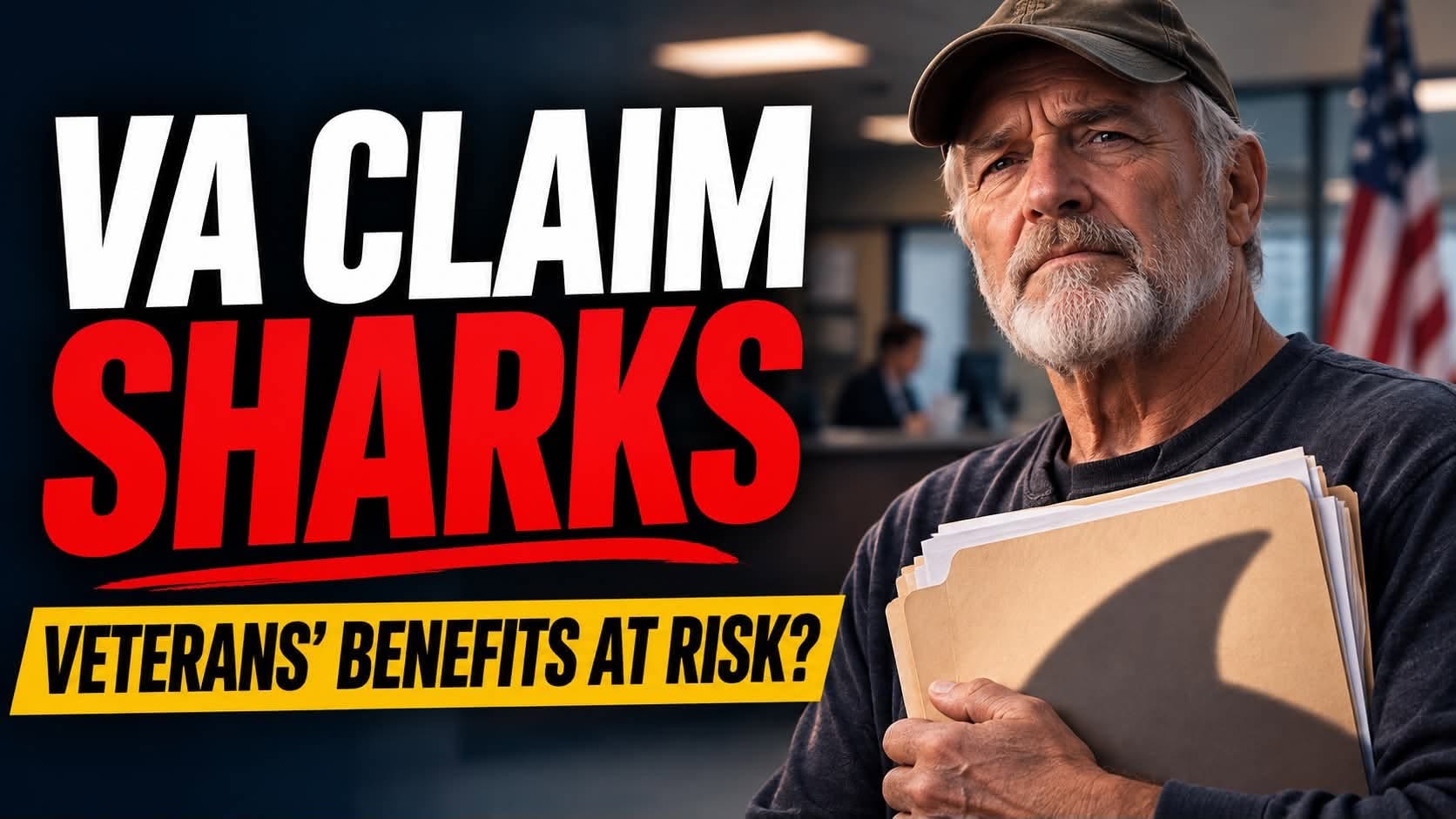
VA Claims Warning Hits Home for Veterans’ Families
This issue touches me deeply because my son is a veteran. Through him, I have seen how much more the Department of Veterans Affairs must do to support the people who served this country. Veterans and their families deserve a system that is easier to navigate and makes reliable help clear and accessible.
That is why a warning I heard in a Veterans Day television segment caught my attention. The speaker described companies known as “claim sharks” that charge veterans for help with VA disability claims. The core concern is real, though some of the figures in the speech need context.
What the Court Found
In a class action case against Veterans Guardian VA Claim Consulting, a federal judge ruled that the company acted as an unaccredited agent when it prepared and presented veterans’ claims, violating federal law. In a later ruling, the court also found the company liable on certain claims under North Carolina’s unfair trade practices law. Case materials say Veterans Guardian collected more than $250 million from class members.
That is a serious finding. But the court record I reviewed does not establish the speaker’s statement that two companies admitted to stealing a combined $500 million. Nor does it establish that 240 companies take money from veterans. Those claims need clearer sourcing before they can be stated as fact.
What Needs Context
The speaker’s estimate that claim sharks cost veterans $1 billion a year also needs to be labeled as an estimate. That figure appears in written testimony from veterans’ advocate Paul Sullivan to Virginia lawmakers. I found no government audit confirming it as an annual total.
What Veterans Should Know
Federal rules require people who prepare or present VA benefit claims to meet accreditation requirements. Veterans Service Organization representatives can help with initial claims for free. Accredited attorneys and claims agents may charge fees only under specific legal conditions. Veterans can check a representative’s accreditation through the VA.
The court case shows that unaccredited claims assistance can cross a legal line. The broader lesson is that veterans should be able to find qualified help without confusing promises, pressure, or unclear fees. The VA and lawmakers still have work to do to protect the people who earned these benefits.
Sources
- U.S. District Court, Ford v. Veterans Guardian, May 20, 2026 ruling.
- U.S. District Court, August 3, 2026 order on liability under North Carolina’s unfair trade practices law.
- Veterans of Foreign Wars, case summary and information on the more than $250 million collected from class members.
- U.S. Department of Veterans Affairs, guidance on finding accredited representatives.
- Virginia House of Delegates, written testimony by veteran and advocate Paul Sullivan, the source of the $1 billion annual estimate.